Ceramic coating is one of those things drivers hear about constantly and rarely get a straight answer on. Is it worth the money, or is it a polish with a fancy name? This guide gives you the honest version: what a ceramic coating is, what it actually does on a normal car, how long it lasts, what it costs in the UK, and who should bother. No hard sell.
What is a ceramic coating?
A ceramic coating is a liquid that bonds chemically to your car's clear lacquer and cures into a hard, glass-like layer. Once it has cured it is not coming off in the wash. It sits on top of the paint and takes the hits instead of the paint itself: UV, bird mess, road salt, light contamination and the general grime of driving in London.
It helps to put it next to the two things people compare it with:
- Wax. Cheap and easy, gives a nice shine, but it sits on the surface and washes away in weeks. A ceramic coating lasts years, not weeks.
- Paint protection film (PPF). A thick, clear, physical film that can take stone chips and self-heal light scratches. It is the strongest protection you can buy and the most expensive. A ceramic coating does not stop stone chips. It is thinner, cheaper and more about gloss, chemical protection and easy cleaning than impact resistance.
So a coating sits in the middle: far more durable than wax, far cheaper than full PPF, and a different job to both.
What it actually does day to day
Ignore the marketing for a second. Here is what you genuinely notice once a car is coated:
- Gloss. The paint looks deeper and wetter, especially on darker colours. It is the first thing people see.
- Water beading. Rain balls up and rolls off instead of sheeting across the panel. Less water sitting on the car means fewer water spots.
- Easier cleaning. This is the one owners rate most. Dirt does not key into the surface the same way, so washes are quicker and you can often go longer between them.
- Protection from the nasty stuff. Bird mess, tree sap and road salt are acidic or abrasive and will etch into bare lacquer if left. A coating gives you a buffer and more time to get them off before they mark the paint.
- UV protection. Sunlight fades and dulls paint over years. A coating shields against UV, which helps the colour hold up, particularly on reds and dark metallics.
What it does not do: it is not a force field. It will not stop a stone chip, a key down the door or a trolley in the car park. Anyone promising scratch-proof is overselling it.
How long does ceramic coating last?
A professionally applied coating typically lasts somewhere between two and five years, with the better products in that range and beyond. Cheaper DIY spray-on coatings are more like several months to a year, closer to a long-life wax than a true coating.
What you get out of it depends on a few things:
- The grade of coating and how many layers go on.
- The prep underneath. A coating is only as good as the surface it bonds to. More on that below.
- How the car is washed. Automatic brush car washes are the quickest way to wear a coating down. A simple two-bucket hand wash makes it last.
- Where the car lives. A garaged weekend car keeps its coating far longer than a daily that sits outside under trees and gets winter salt every year.
What it costs in the UK
Prices vary by car size, the coating used and, above all, how much paint correction the car needs first. As honest banded ranges, professional ceramic coating in the UK usually falls something like this:
- Entry level, smaller car, light prep: roughly £300 to £500.
- Mid range, full single-stage correction and a quality coating: roughly £500 to £900.
- Larger cars, multi-stage correction or premium multi-year coatings: £900 and up, sometimes well over £1,000 on a large or neglected car.
The biggest single thing that moves the price is the paint correction, not the coating itself. If the paint is swirled, marked or hazy, that has to be machine polished out before any coating goes on, and that is hours of skilled work. A nearly new car in good condition needs far less, which is why coating a fresh car is better value.
Why the prep matters more than the coating
This is the part most people skip past, and it is the part that decides whether the job was worth it. A ceramic coating is clear and it locks in whatever is underneath it. If the paint has swirl marks, holograms or contamination when the coating goes on, you have just sealed all of that in for the next few years.
A proper job is mostly preparation: a thorough decontamination wash, clay to pull out bonded contaminants, then machine polishing to correct the swirls and bring back the gloss. Only then does the coating go on. A cheap coating over uncorrected paint looks shiny in the bay and disappointing in daylight. If a quote seems too good to be true, the prep is usually where the corners were cut.
A ceramic coating does not fix your paint. It preserves it. So get the paint right first, then lock it in.
Is it worth it? Who benefits and who does not
Worth it depends entirely on how you use the car.
It is usually worth it if you plan to keep the car a few years, you care how it looks, you hate washing it, or you have a dark or metallic colour that shows swirls. It is a strong choice on a new or freshly painted car, where the paint is already near perfect and the coating goes straight on to protect it.
It is probably not worth it if you are selling the car within a few months, you run it through brush car washes and never hand wash, or the paint is already heavily faded and damaged. In that last case the money is better spent putting the paint right first.
Pairing it with a fresh respray
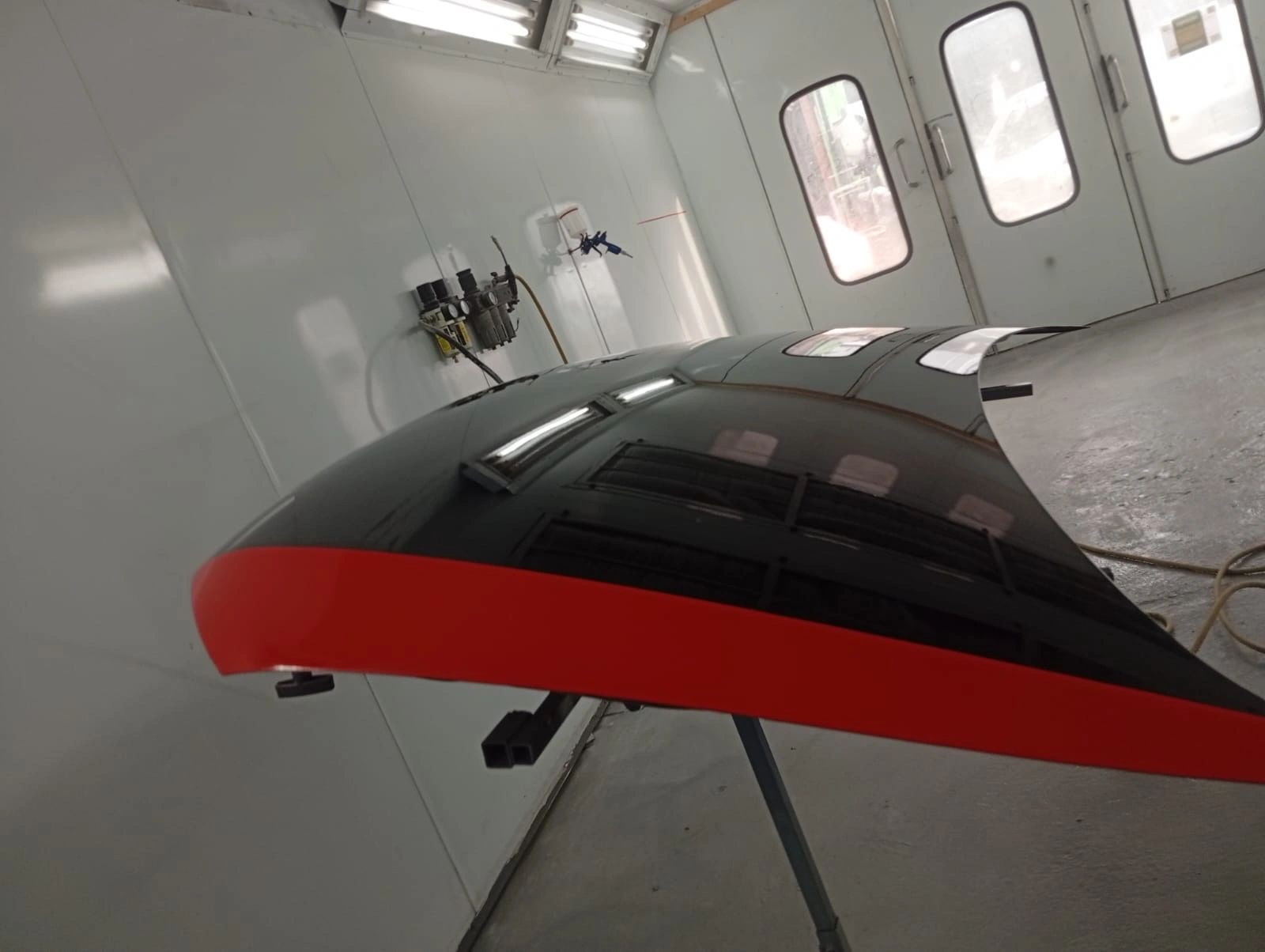
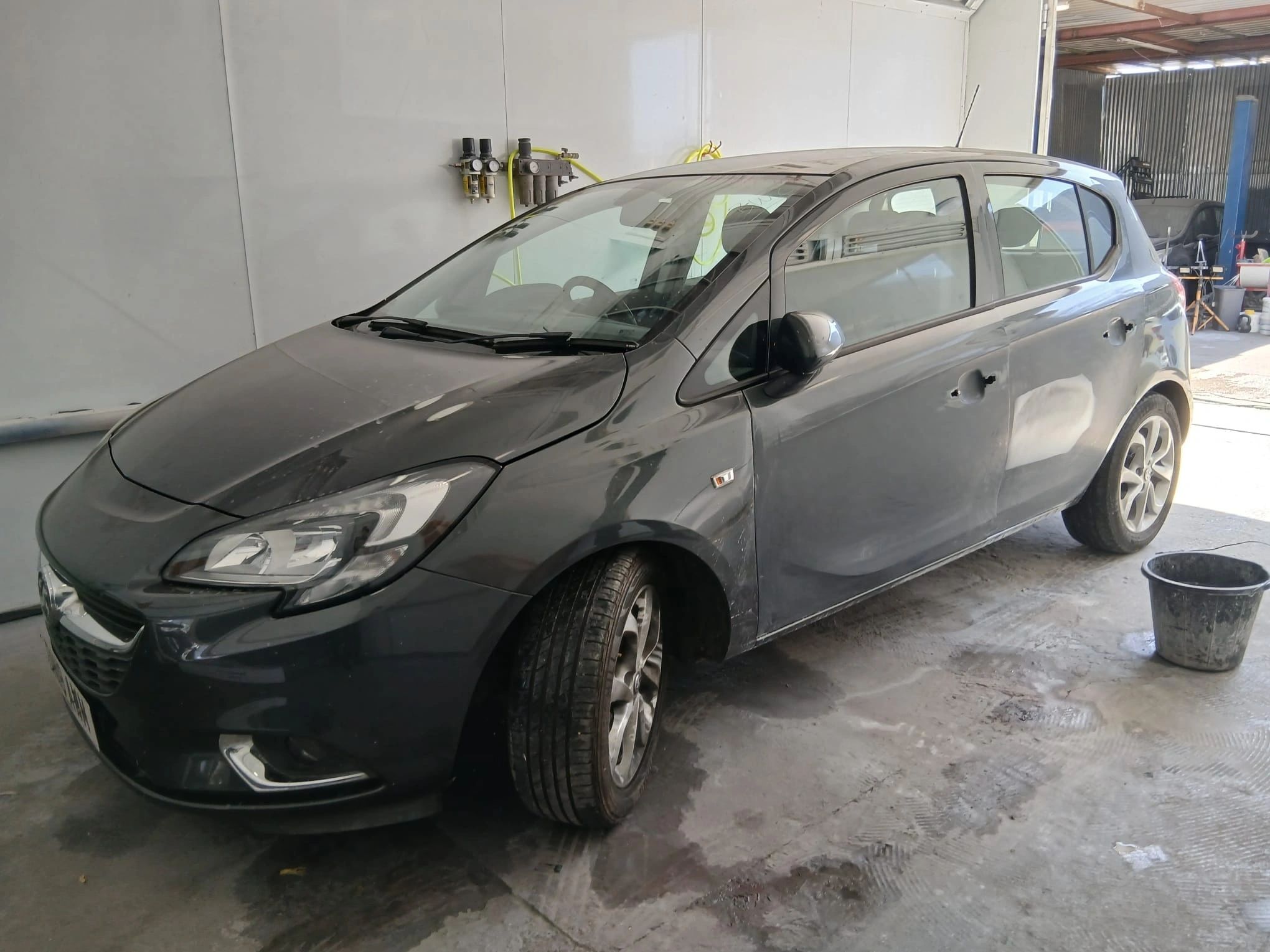
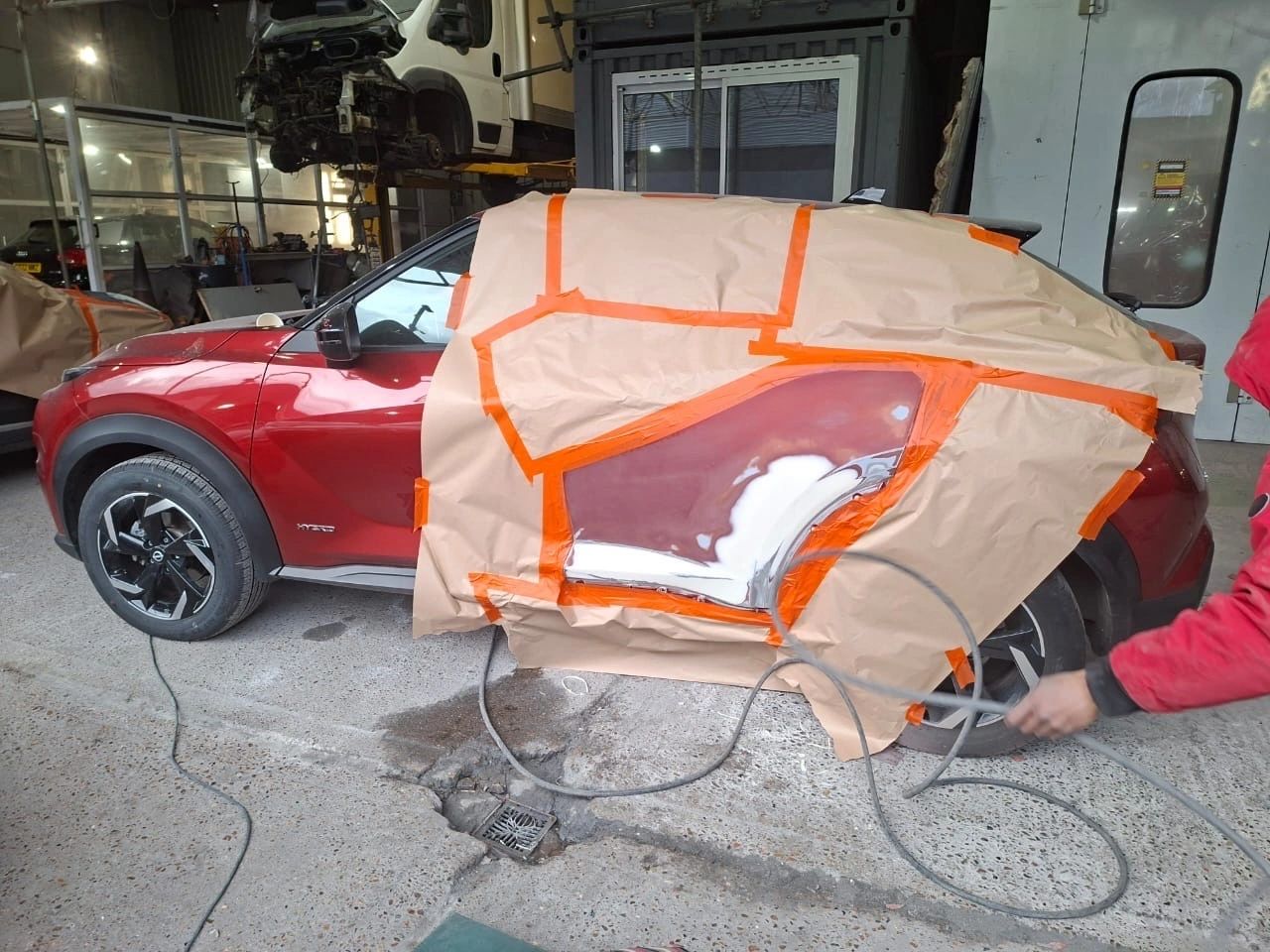
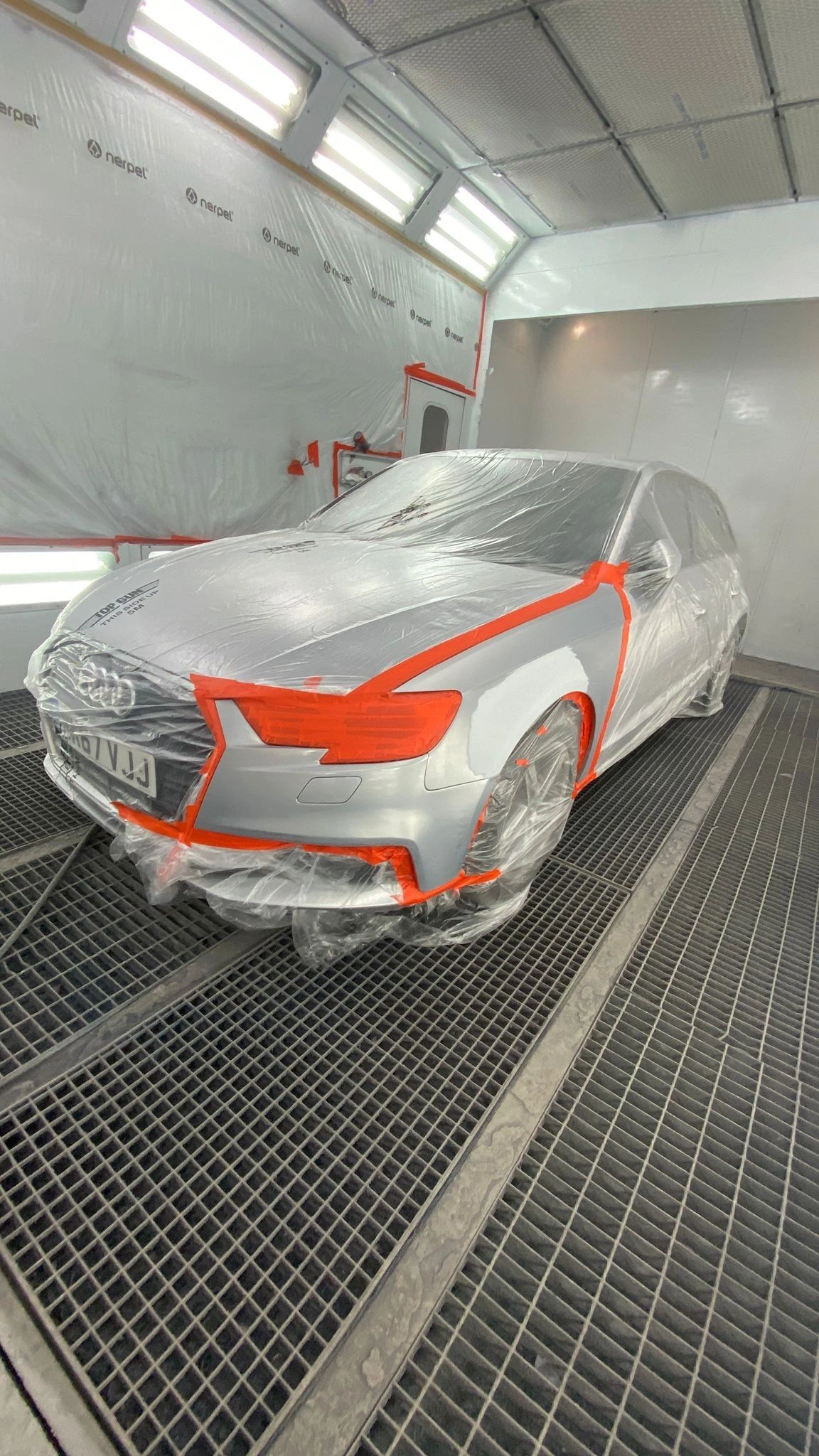
The single best time to ceramic coat a car is right after a respray. The paint is brand new, flat and free of swirls, so there is little or no correction to pay for, and the coating then protects that finish from day one instead of letting it pick up marks straight away. If you are already having paintwork done, adding a coating at the same time is the most cost-effective route to a finish that stays sharp.
We handle both under one roof in Tottenham Hale. If you want to refresh tired or damaged paint, our same-day car paint service sorts scratches, scuffs and full panels with proper colour matching, and our ceramic coating service then locks that finish in. If you are weighing up a colour change instead, a vinyl wrap is another route worth knowing about, and we compare it to paint in car wrapping versus respray. For what a respray itself costs, see our car respray cost guide.
Get a straight answer on your car
No two cars need the same prep, so the honest way to price a coating is to look at the paint first. Bring it to us in Tottenham Hale and we will tell you straight how much correction it needs, what coating suits how you use the car, and what it will cost, with a free, no-obligation quote and nothing started until you have agreed it. We look after drivers across North London and we are open every day from 08:00 to 22:00.
To talk it through or book the car in, call us on 020 3582 3444 or message on WhatsApp.
Good to know
How long does a ceramic coating last?+
A professionally applied coating usually lasts between two and five years, with premium products lasting longer. DIY spray-on coatings are closer to several months to a year. How long you get depends on the grade of coating, the prep underneath, how the car is washed and where it is kept. Hand washing and avoiding brush car washes makes a real difference.
Is ceramic coating worth it?+
It is usually worth it if you plan to keep the car a few years, you care how it looks, you dislike washing it, or you have a dark or metallic colour that shows swirls. It is especially worth it on a new or freshly painted car. It is probably not worth it if you are selling soon, use brush car washes, or the paint is already badly faded, in which case fixing the paint first is the better spend.
Does ceramic coating stop scratches and stone chips?+
No. A ceramic coating protects against UV, bird mess, sap, salt and light contamination, and it makes the car easier to clean, but it is thin and will not stop a stone chip, a key down the door or a car park knock. If impact protection is your priority, paint protection film (PPF) is the stronger option, though it costs more.
Why does the paint need correcting before coating?+
A ceramic coating is clear and locks in whatever is underneath it for years. If the paint has swirl marks or contamination when the coating goes on, all of that gets sealed in. A proper job is mostly prep: decontamination, clay, then machine polishing to correct the paint, before the coating is applied. A cheap coating over uncorrected paint looks shiny in the bay and dull in daylight.
Get a free, no-obligation quote
Bodywork and mechanical under one roof in Tottenham Hale. Open every day, 08:00 to 22:00. Call, message on WhatsApp, or request a quote.